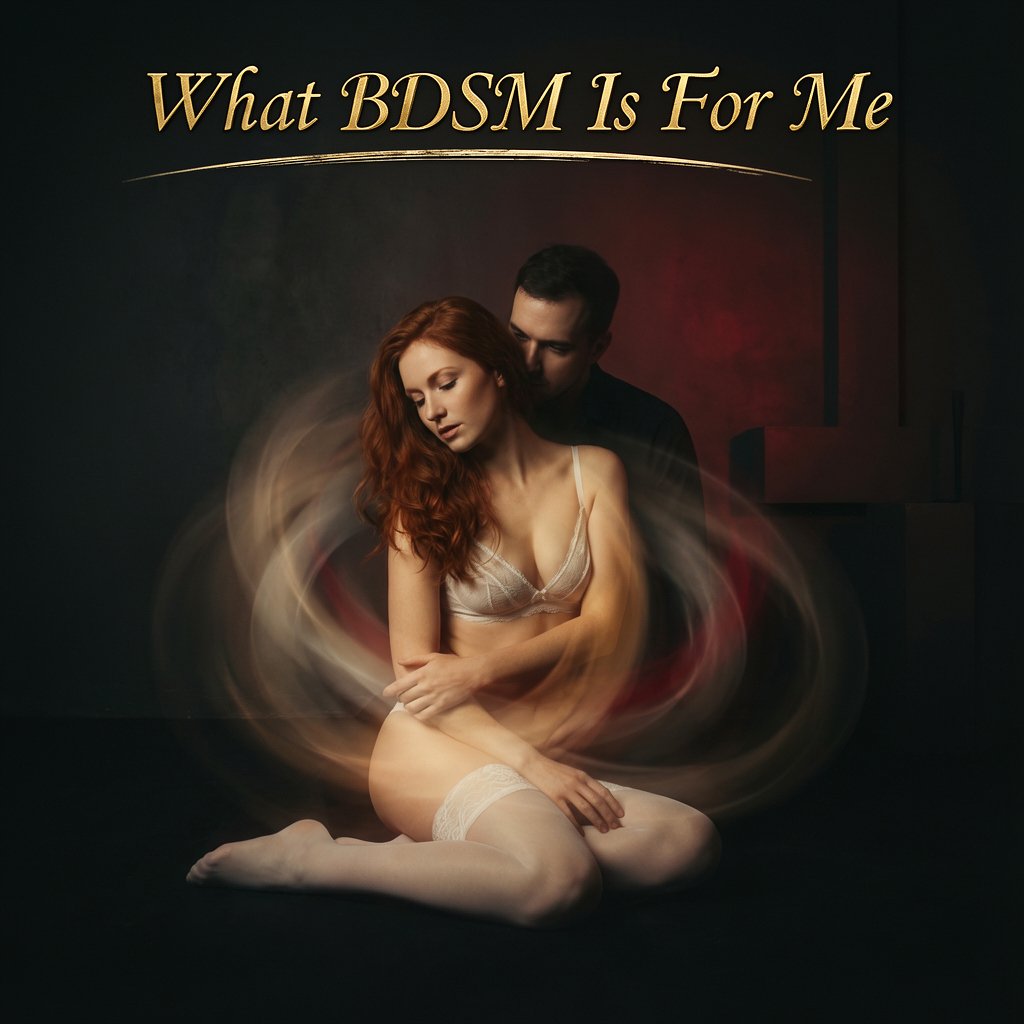

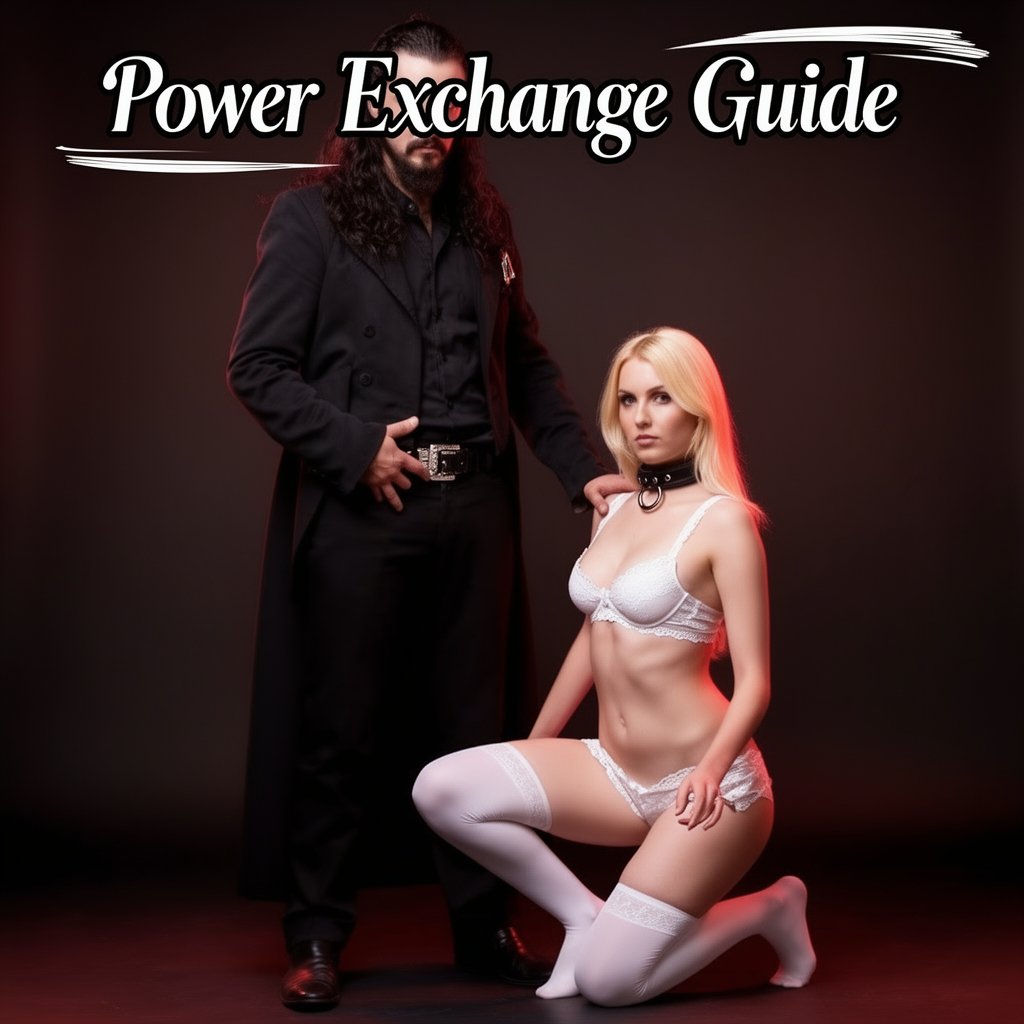
Power exchange in BDSM sits at the heart of D/s and M/s relationships, yet it remains one of the most misunderstood aspects of the BDSM lifestyle. Too often, it is reduced to surface-level control or mistaken for hierarchy without substance. When viewed this way, power exchange appears rigid, performative, or even hollow. In reality, it is neither casual nor theatrical. It is a conscious, negotiated structure built on responsibility, trust, and emotional discipline. When practised with integrity, power exchange becomes less about authority taken and far more about authority carried.
At its core, power exchange is not about enforcing obedience but about creating a space where surrender can exist safely. This distinction is critical. Control that is demanded produces resistance or compliance without depth. Authority that is earned invites devotion, presence, and trust. In BDSM, power exchange only functions when both sides understand that authority is not self-generated. It exists because it has been granted, and it must be honoured continuously through conduct rather than words.
Mastery, within this context, is not something one claims. It cannot be announced, demanded, or assumed through titles alone. Mastery reveals itself gradually through consistency, clarity, and restraint. A Master is not defined by how loudly he commands, but by how steadily he holds responsibility when no one is watching. His authority exists only because another has chosen to offer trust — and that trust is not static. It must be reaffirmed daily, especially when it becomes inconvenient or demanding.
Ownership is perhaps even more frequently misunderstood within power exchange in BDSM. In D/s and M/s dynamics, ownership is symbolic, intentional, and consensual. It is never about possession in a crude or literal sense. When a submissive offers herself into ownership, she is not surrendering her worth or autonomy. She is offering devotion within clearly defined boundaries. That offering does not diminish her; it deepens the dynamic and elevates accountability on both sides. Ethical ownership increases responsibility rather than removing it.
Responsibility is the quiet backbone of all power exchange in BDSM. Without it, authority collapses into control and submission becomes unsafe. If a Master restrains, he must understand the body he restrains. If he expects surrender, he must provide safety — emotional as well as physical. Responsibility does not weaken authority; it legitimises it. The more that is entrusted, the more carefully it must be protected. Power that cannot safeguard what it removes has no ethical foundation.
Balance is what keeps power exchange alive and meaningful over time. Without balance, mastery becomes rigid and ownership devolves into entitlement. A healthy D/s or M/s relationship exists in constant calibration between strength and care, authority and empathy, structure and awareness. Balance is not passive. It requires reflection, adjustment, and the willingness to listen. A Master who listens is not weakened; he is disciplined. Leadership that cannot adapt eventually fractures under its own weight.
It is also essential to recognise that the BDSM lifestyle does not erase humanity. Masters are not machines, and submissives are not objects. Both remain whole individuals who think, feel, doubt, and grow. The distinction lies not in worth but in how power is consciously exchanged and responsibly held. When a dynamic ignores the humanity of either side, it ceases to be power exchange and becomes something else entirely.
In deeper M/s relationships, where structure may extend beyond scenes and into daily life, balance becomes an ongoing discipline rather than a fixed achievement. Ownership does not excuse neglect. Authority does not cancel accountability. A Master remains responsible not only for obedience, but for the emotional stability, dignity, and wellbeing of the submissive who has placed trust in him. The depth of the dynamic increases the weight of responsibility rather than reducing it.
True power exchange in BDSM is rarely loud. It does not rely on constant assertion, spectacle, or performance. It is steady, grounded, and often quiet. It reveals itself in how limits are respected, how decisions are made, and how trust is preserved under pressure. When mastery, ownership, and balance align, D/s and M/s relationships move beyond fantasy and into lived reality — rooted in trust, devotion, and mutual purpose.
Ultimately, mastery is not about taking; it is about holding. Ownership is not about claiming; it is about safeguarding. Balance is what ensures that power exchange in BDSM remains ethical, sustainable, and deeply human. When these elements exist together, domination ceases to be a display of control and becomes an expression of responsibility carried with care.





The variety of games is impressive and the loading speed is top notch. I had a great run last night. Highly recommend phjilimax for anyone looking for some action.
Love how easy it is to use GCash here. No more waiting for hours for my money to reflect. Best integration I have seen at playtimeappgcash.
Just started playing here a week ago and I’m already hooked. The rewards system is very generous. Glad I found vnnohu009 early on.
Jili777 Casino! Love the Jili games, hoping this site has them all! Fingers crossed for some big wins! Check it out: jili777casino
Downloaded this app yesterday and I am already hooked. The interface is clean and easy to navigate even for beginners. Loading times are fast and I love the variety of games available. pk778gamedownload
Finally found a site that actually treats players right. The bonuses at xjilicom are legit and easy to claim.
The bonuses here are insane! I managed to get a nice win on my first try today. Definitely spending more time on krbetmgm from now on.
I’ve tried a lot of platforms but this one really stands out. The payout speed is impressive and the games are super smooth. Definitely check out stm88slot if you want a reliable spot.
Super easy registration process and I was playing my favorite slots within five minutes. dduu1combet is definitely the way to go.
Really impressed with the security and speed of bitpkrgame. Everything feels professional and the gaming experience is top notch. Definitely my new go-to site.
Top notch service and amazing graphics. It feels like a real casino experience from the comfort of my home. Big thanks to okadaplayph for the awesome vibes.
Perfect for those who want a reliable and fast service. The layout is clean and the payment methods are very flexible. Love it! krbeetwiner
The apk is very stable and the graphics are crisp. It’s much better than playing through a mobile browser. Five stars from me! e168apk
Solid platform with a fair gaming environment. I appreciate the transparency and the way they handle the promotions. bdg7777 is a winner in my book.
The bonuses here are actually worth it. I was skeptical at first but the gameplay is addictive and the customer support is quite responsive. Just visit ph50jili to start winning.