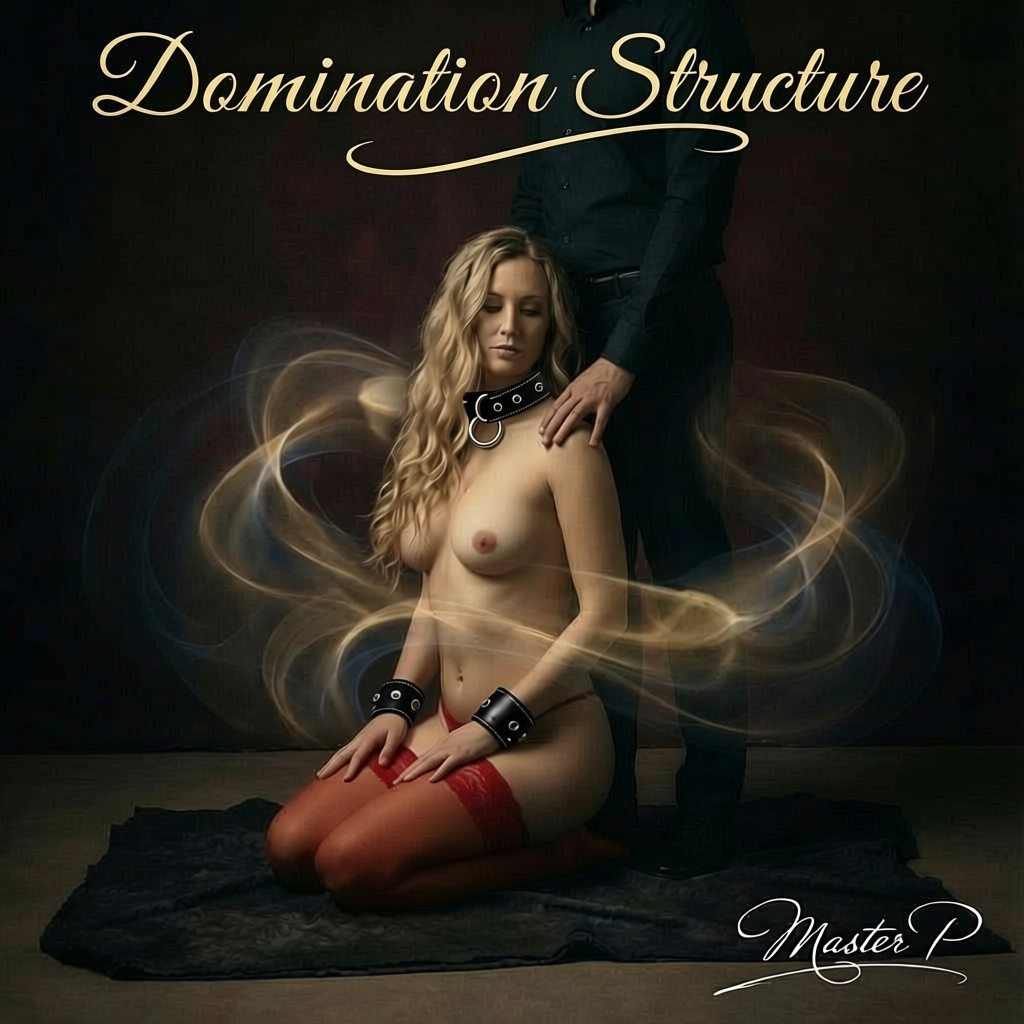


Power exchange sits at the heart of D/s and M/s relationships, yet it remains one of the most misunderstood elements of the BDSM lifestyle. Too often, it is reduced to surface control or mistaken for hierarchy without depth. In reality, this exchange of authority is neither casual nor performative. It is a deliberate structure, built with intent, responsibility, and emotional discipline. When carried with integrity, it becomes less about authority taken and more about authority held.
Mastery, in this context, is not something one claims. It cannot be announced, demanded, or assumed through role labels alone, a distinction explored in how mastery reveals itself through action rather than declaration. Mastery reveals itself over time through consistency, clarity, and restraint. A Master is not defined by how loudly he commands, but by how reliably he shows up. His authority exists only because another has chosen to place trust in him, and that trust is never static. It must be honoured continuously, especially when doing so is inconvenient or demanding. What defines mastery is not intensity, but continuity.
Ownership is perhaps even more frequently misunderstood. In D/s and M/s dynamics, ownership is symbolic, intentional, and chosen. It is a form of ethical ownership rooted in accountability rather than entitlement. It is never about stripping a person of their humanity or reducing them to an object. When a submissive offers herself into ownership, she does so as an act of devotion, not self-erasure. She is not becoming less. She is choosing to place herself within a structure that gives meaning and direction to her submission, a theme developed further when examining how ownership and authority coexist without entitlement. True ownership raises the level of responsibility on both sides rather than diminishing either.
This is where balance becomes essential. Without balance, authority loses its grounding. Mastery without balance slips into control. Ownership without balance hardens into entitlement. A healthy D/s or M/s relationship exists in constant calibration between strength and care, authority and understanding, structure and responsiveness. Balance is not passive. It requires attention and correction. It demands that a Master remains aware not only of obedience, but of the physical and emotional condition of the one who submits.
Leadership within this lifestyle is not softened by compassion, it is strengthened by it. A Master who listens is not weakened, he is informed. One who reflects is not uncertain, he is disciplined. Authority does not excuse emotional distance or neglect. On the contrary, the deeper the dynamic, the greater the obligation to remain attentive and engaged. Authority exercised without intention quickly becomes impulse, and impulse erodes trust, a pattern often discussed within broader BDSM leadership philosophy.
Equally important is recognising that the BDSM lifestyle does not replace humanity. It is lived as a coherent philosophy rather than a collection of roles. Masters are not immune to doubt or growth, and submissives are not defined solely by obedience. Both remain whole individuals with emotions, needs, and vulnerabilities. The distinction lies not in worth, but in how authority is consciously exchanged and respected over time. A structure that ignores this reality eventually collapses under its own weight, a reality reflected across long-standing kink communities.
Responsibility forms the quiet backbone of every ethical power exchange. It is not a role-play concept or a conditional agreement. If a Master restrains, he must understand the body he restrains. If he expects surrender, he must provide safety. If he accepts devotion, he must prove himself worthy of it. Responsibility does not weaken authority. It gives it legitimacy. The more that is entrusted, the more carefully it must be protected.
In M/s relationships, where ownership may extend more deeply into daily life, this responsibility becomes even more pronounced. Balance here is not a milestone reached once, but a discipline practiced continuously. Ownership does not justify neglect. Authority does not cancel accountability. A Master remains responsible not only for obedience, but for stability, growth, and dignity within the structure he maintains.
True power exchange is rarely loud. It does not rely on theatrics or constant assertion. It is steady, grounded, and often quiet. It is visible in how decisions are made, how limits are honoured, and how trust is preserved during moments of strain. When practiced with integrity, it becomes a source of strength rather than harm, connection rather than control.
Ultimately, mastery is not about taking, but about holding. Ownership is not about claiming, but about safeguarding. Balance is what ensures that authority remains meaningful, ethical, and sustainable over time. When these elements align, D/s and M/s relationships move beyond fantasy and into lived reality, grounded in trust, devotion, and shared purpose.